My websites logo of japan building

Traditions of japan


traditions

shoes off

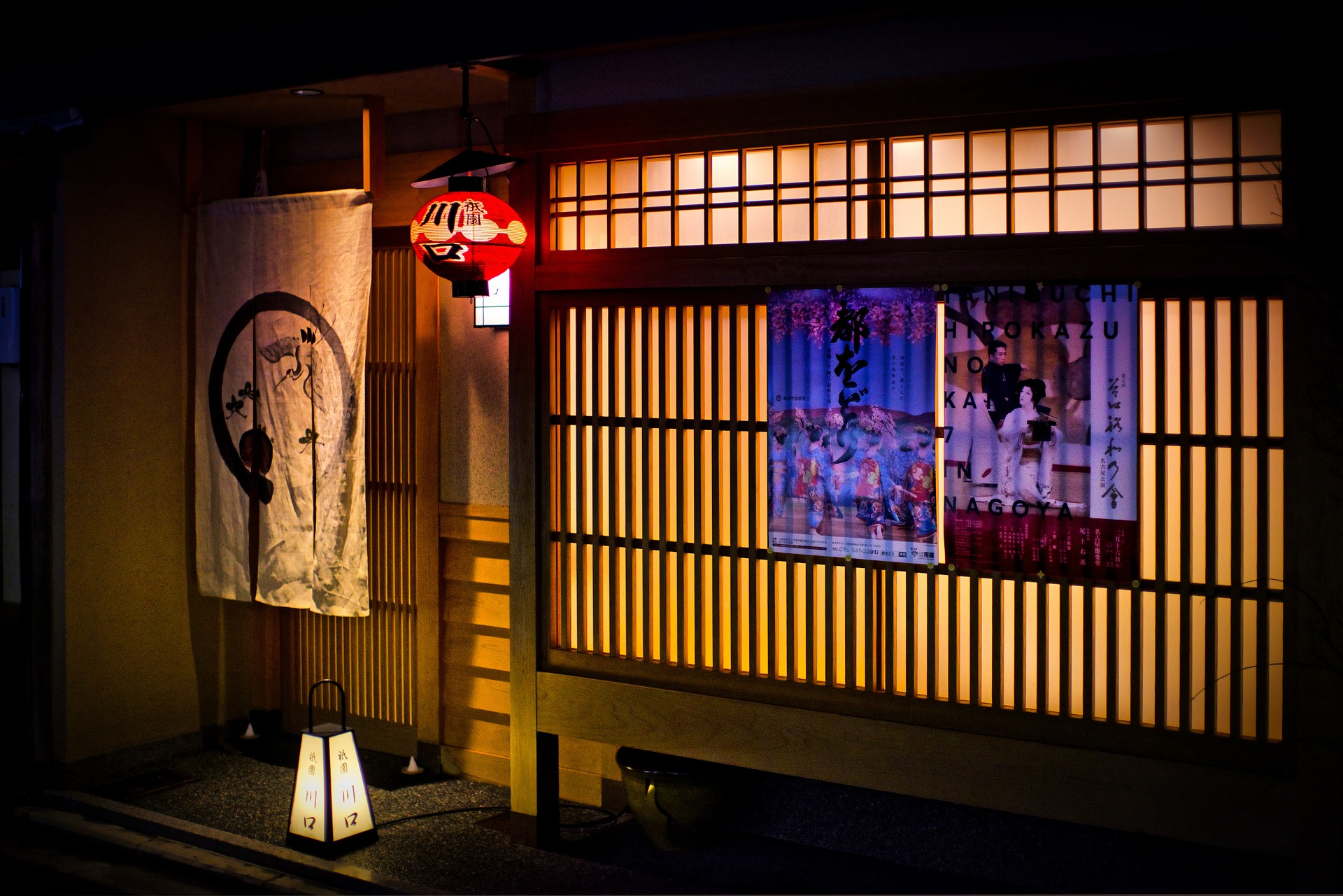
Always remove shoes at Japanese entrances... The "shoe off" rule in Japan is a foundational aspect of etiquette, rooted in keeping homes, temples, and certain, traditional buildings clean. Upon entering a home, you’ll encounter a "genkan," a lowered, paved foyer, where you step out of your outdoor shoes. Shoes are usually pointed toward the exit, signaling readiness to leave. Guests step up into the living space, often putting on provided house slippers, but must remove those before entering tatami-matted rooms. This practice extends to traditional inns and some restaurants, emphasizing thedistinction between dirty street surfaces and clean living spaces, ensuring hygine.
Bowing

Bowing in Japan is a crucial.. In Japanese culture, the act of bowing, known as ojigi, is a fundamental expression of respect, gratitude, and social standing. The depth and duration of a bow are determined by the relationship between individuals and the specific situation. A slight fifteen-degree nod is common for casual greetings among friends, while a thirty-degree tilt is standard for business interactions. For formal apologies or showing high honor, a deep forty-five-degree bend is required. Maintaining a straight back and keeping eyes cast downward ensures the gesture remains sincere, reflecting Japan's deep-rooted values of politeness and social harmony.

onsen

Entering a Japanese onsen requires specific etiquette... This centuries-old bathing tradition is centered on communal harmony and meticulous cleanliness. Before stepping into the mineral-rich thermal waters, every guest must thoroughly scrub their body at a designated washing station. Once cleansed, bathers enter the pools completely nude, as clothing or swimwear is strictly forbidden to keep the water pure. It is essential to keep long hair tied up and ensure that small towels never touch the water; they are typically folded and placed on the head. By moving quietly and respecting others' space, visitors honor the tranquil spirit of the traditional Japanese hot spring.

Tea Ceremony

The Japanese tea ceremony follows strict rules... Known as Chanoyu, this ritualized practice is a meditative performance centered on harmony, respect, purity, and tranquility. Guests must remove their shoes and enter the tea room through a small, low door designed to symbolize equality among all participants. Once seated on the tatami mats, every movement is choreographed, from the precise cleaning of the utensils to the graceful whisking of the matcha. When receiving the bowl, it is essential to rotate it twice clockwise to avoid drinking from its front face. This silent, intentional process honors the profound connection between the host and their honored guests.