Mount Fuji
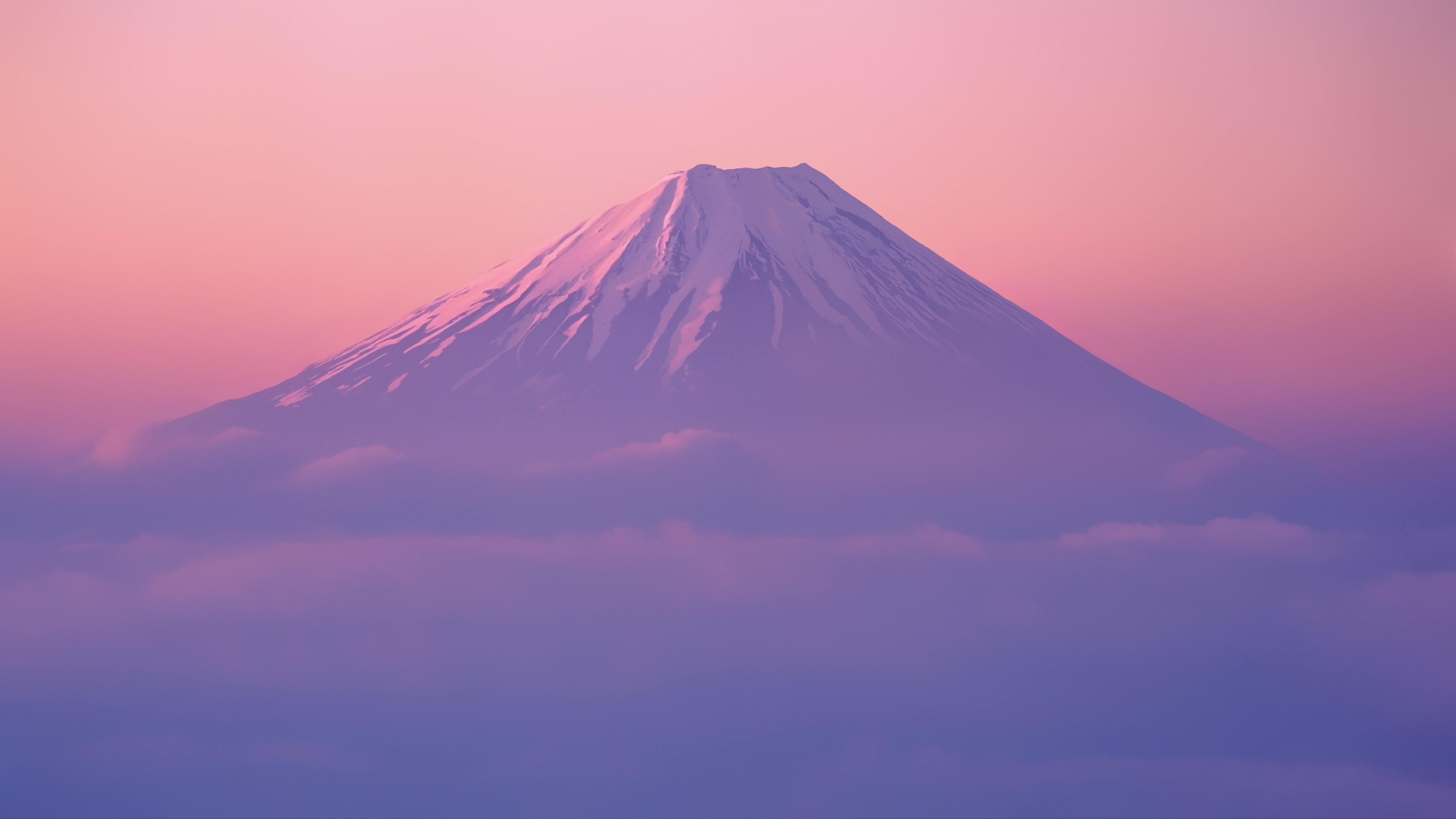
Mount Fuji, standing 3,776 meters (12,389 feet) tall, is Japan's highest peak and an iconic, sacred stratovolcano located on Honshu Island. Known for its near-perfect symmetrical cone often capped with snow, it is a UNESCO World Heritage site and a popular destination for climbing during summer. Last erupting in 1707, it remains an active volcano of immense cultural, artistic, and spiritual significance.
Tokyo
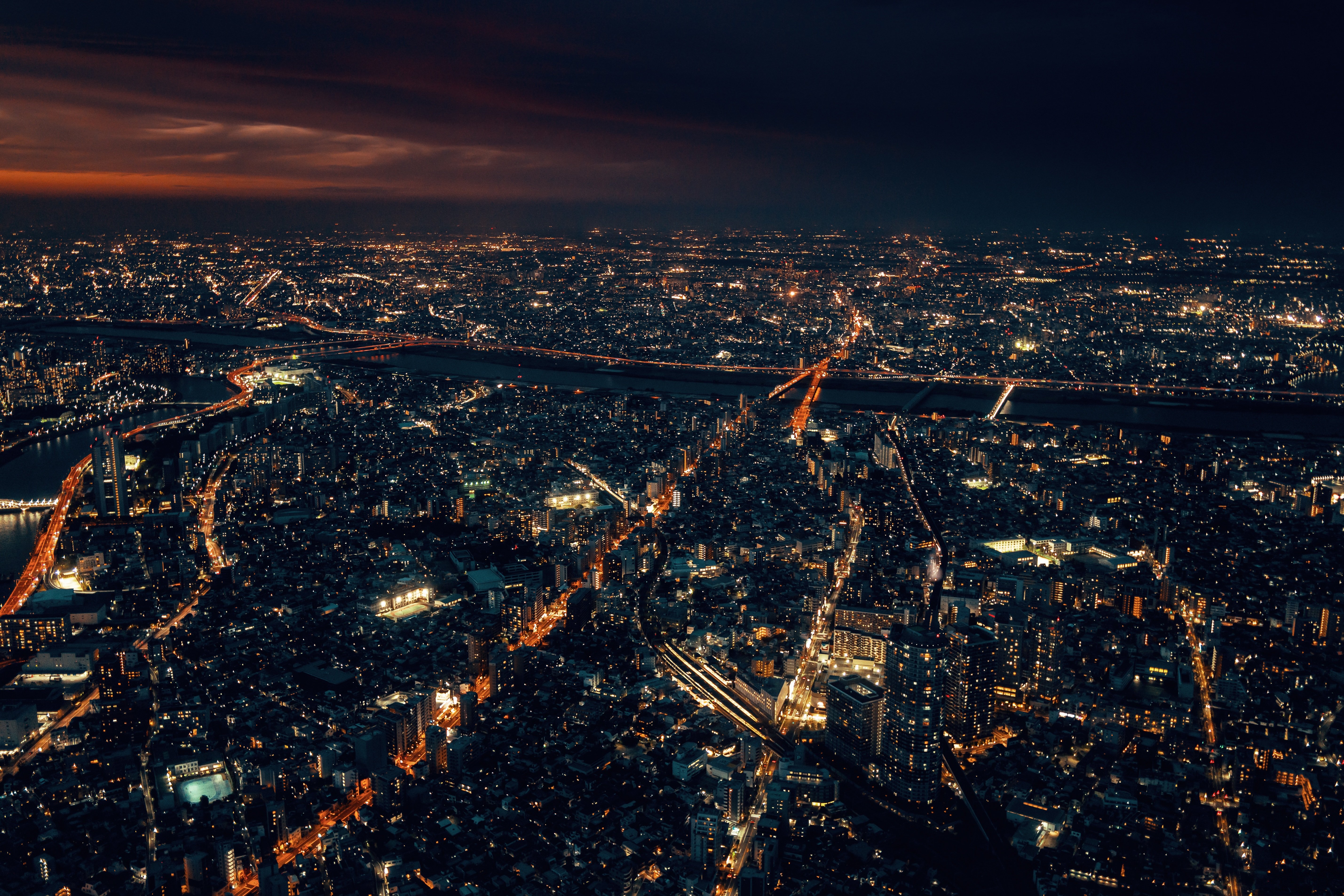
Tokyo, the capital of Japan and the world's most populous metropolis, is a dynamic blend of futuristic technology and deep-rooted tradition, housing over 14 million people in its urban core. Originally a fishing village named Edo, it became the center of power in 1603 before officially becoming the imperial capital in 1868. Today, it is a global powerhouse for finance, culture, and cuisine, featuring modern districts like Shibuya and high-tech Akihabara alongside historic sites like the Senso-ji temple and the Imperial Palace
Japans City Sunsets
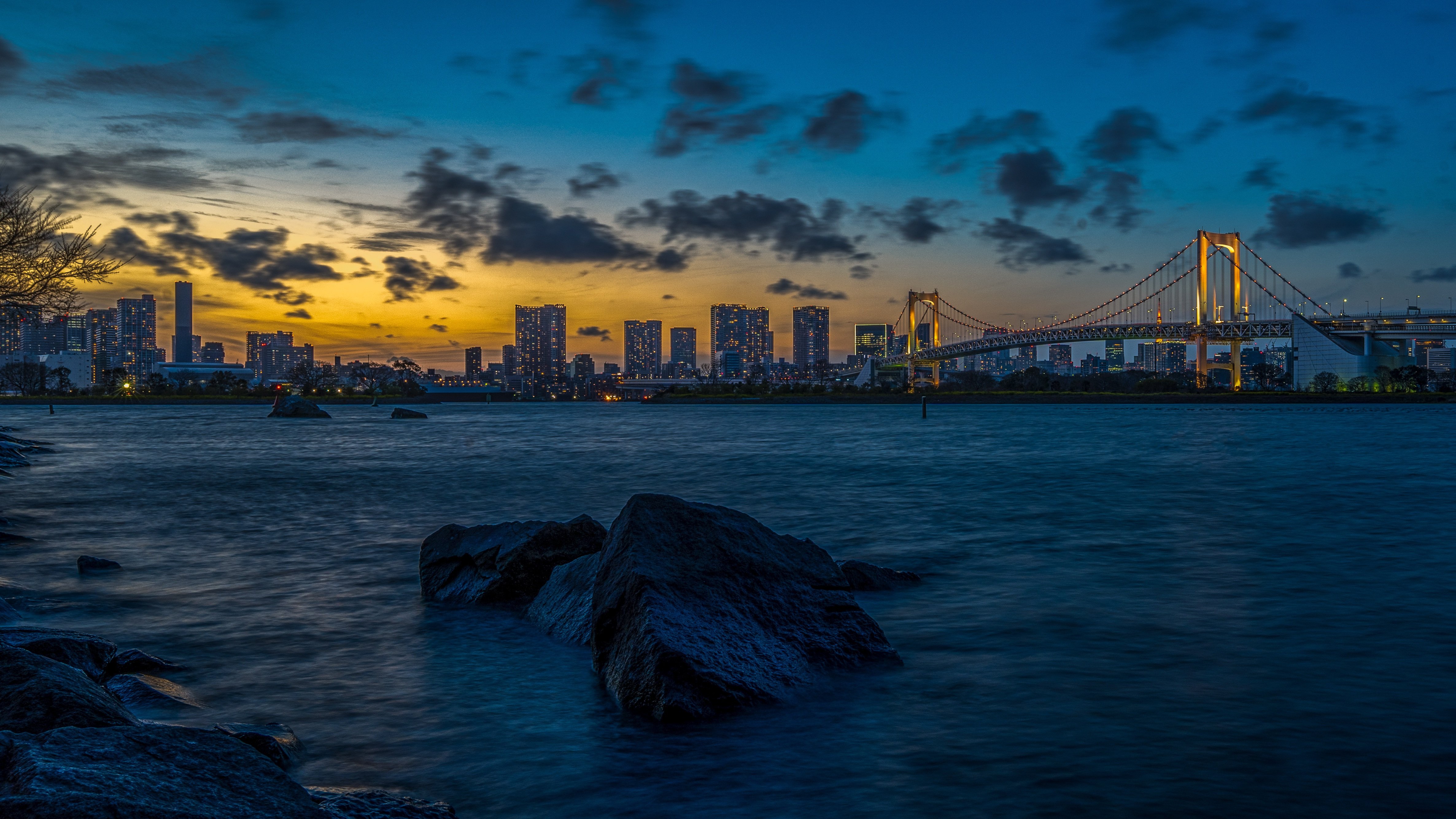
Sunsets in Japanese cities offer a breathtaking contrast between tranquil nature and vibrant urban energy, with Tokyo and Osaka creating intense crimson and orange skies above dense skylines. As the sun dips behind structures like Tokyo Tower, a gentle, melancholic glow bathes the streets before transforming into a glittering, modern, and romantic sea of lights
Japans Cherry Blossom Trees
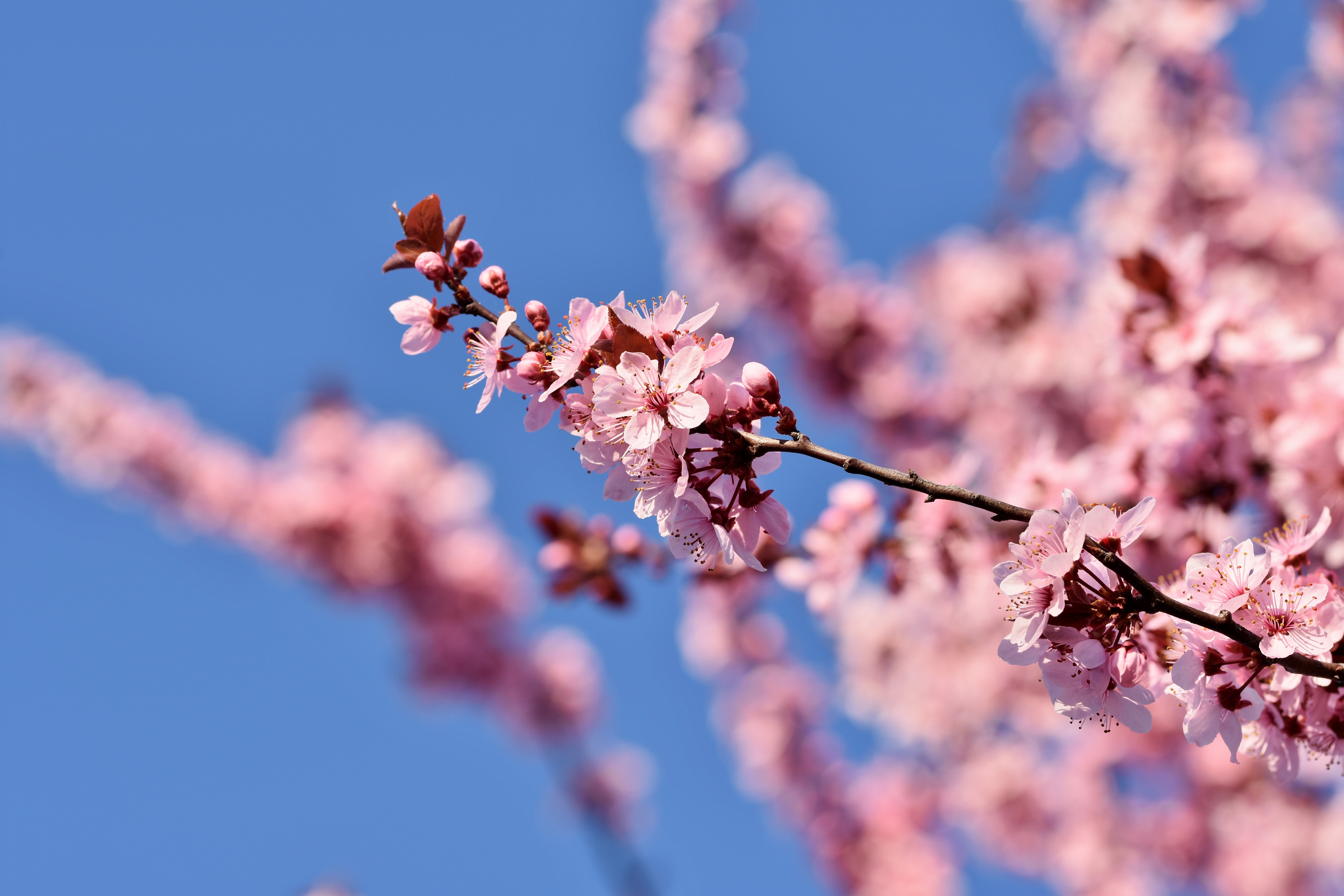
Japan's cherry blossom trees, or sakura, are a profound cultural symbol representing renewal, hope, and the fleeting beauty of life, often blooming for just two weeks in early spring. These trees, particularly the popular Yoshino variety, mark the arrival of spring with clouds of delicate white and pink petals, sparking the traditional pastime of hanami (flower viewing) picnics in parks and temples. With over 300 varieties existing across the country, sakura permeate Japanese life, inspiring food flavors, traditional motifs, and marking the start of the academic and fiscal year. The breathtaking, ephemeral nature of the blooms acts as a cultural reminder to cherish the present moment
Statues in Japan
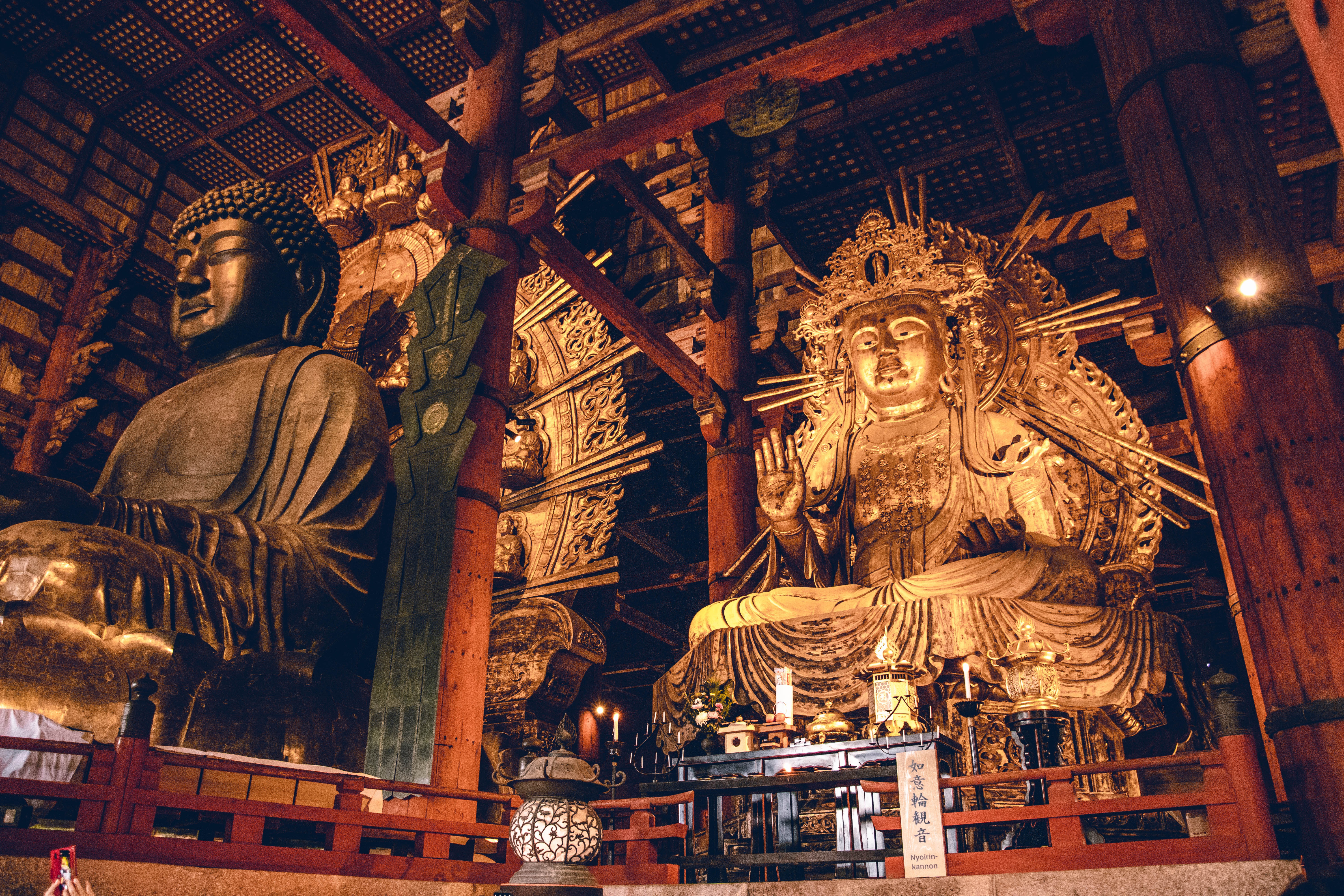
Japanese Buddhist statues, ranging from towering bronze figures like the Ushiku Daibutsu to ubiquitous stone Jizō markers, serve as vital tools for contemplation and devotion. Introduced with Buddhism in the 7th century, these statues are often crafted from wood or bronze, depicting figures such as Nyorai (enlightened Buddhas) and Bodhisattvas (compassionate beings). They function not just as art, but as profound spiritual aids representing principles like impermanence and compassion. Common, small stone Jizō statues represent a beloved protector of travelers and children, often dressed in red cloth at temples and crossroads to guard against evil.
Statues in Japan
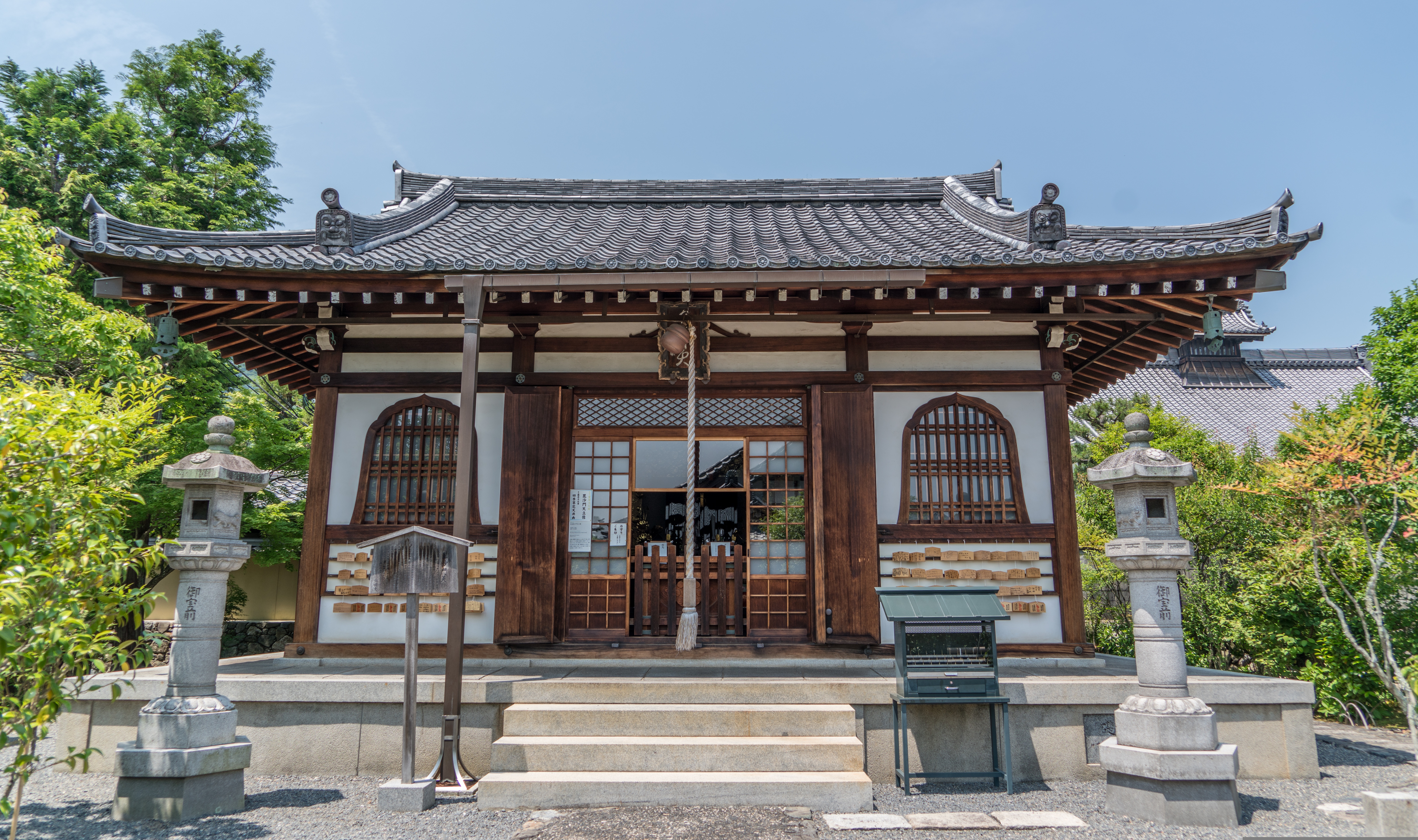
Japanese temples, or tera (寺), are Buddhist places of worship found throughout Japan, often serving as tranquil centers of culture and history. Characterized by intricate wooden architecture—including main halls (kondo), pagodas, and impressive sanmon gates—these sites house sacred objects such as Buddha statues. Famous examples include Kyoto's Kiyomizu-dera and Tokyo's Senso-ji, which often feature serene, carefully landscaped gardens designed for meditation. Unlike Shinto shrines, temples often feature cemeteries, incense burners, and offer visitors experiences like calligraphy or overnight stays (shukubo).